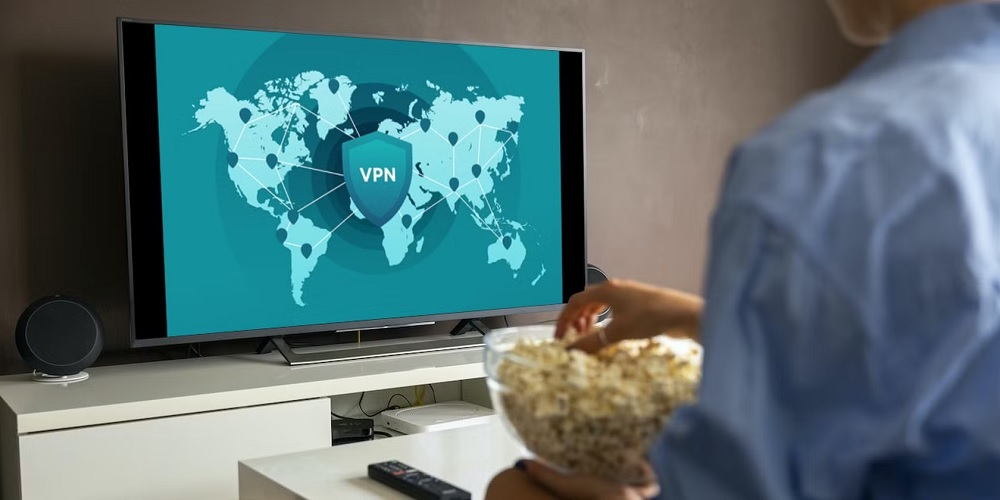
How to Install a VPN on Your Smart TV
In today’s world, streaming media has become a primary source of entertainment for many people. Whether it’s watching movies, TV shows, or gaming, Smart TVs have revolutionized how we consume content. However, many users fail to realize that a Smart TV can be vulnerable to privacy concerns, geo-restrictions, and even hacking attempts. This is where a Virtual Private Network (VPN) can offer significant advantages. Installing a VPN on your Smart TV allows you to enhance privacy, access region-locked content, and protect your online activities. In this article, we’ll guide you through the process of installing a VPN on your Smart TV in a few simple steps.
1. Why You Need a VPN on Your Smart TV
Before we get into the installation process, it’s essential to understand the benefits of using a VPN with your Smart TV. A VPN encrypts your internet connection, rerouting it through a remote server, which masks your IP address and enhances your privacy. Here are some reasons why you should consider setting up a VPN on your Smart TV:
- Access Geo-Restricted Content: Many streaming services offer different content in different regions. By connecting to a VPN server in a specific location, you can bypass geo-blocks and access content that would otherwise be unavailable in your country.
- Improved Privacy and Security: A VPN hides your real IP address, preventing third-party tracking, hacking attempts, or unwanted surveillance. This is particularly important when using Smart TVs, as they can sometimes collect personal data.
- Bypass ISP Throttling: Some ISPs intentionally slow down streaming speeds during peak hours. A VPN can help you avoid this throttling and ensure smooth, uninterrupted streaming.
- Protection from Cyberattacks: Connecting to public networks (such as hotel Wi-Fi or coffee shops) can expose your Smart TV to cyberattacks. A VPN provides an extra layer of security, encrypting your data and protecting your device from potential threats.
2. How to Install a VPN on Your Smart TV
There are several ways to install a VPN on a Smart TV. The method you choose depends on the specific model of your Smart TV and whether it supports VPN apps. Here are three of the most common methods:
- Method 1: Install the VPN App Directly on Your Smart TV If your Smart TV runs on an operating system like Android TV or has access to an app store, this may be the simplest method. Here’s how you can install the VPN app directly:
- Step 1: Choose a VPN Provider
Choose a reliable VPN provider that supports Smart TV installations. Many popular VPN services like ExpressVPN, NordVPN, and CyberGhost offer dedicated apps for Android-based Smart TVs. Ensure the VPN you choose has a strong reputation for security and performance. - Step 2: Download the VPN App
Go to your Smart TV’s app store (Google Play Store for Android TVs) and search for your selected VPN provider’s app. Download and install the app on your Smart TV. - Step 3: Log in to the VPN App
Open the VPN app, enter your account credentials (username and password), and log in. Once logged in, you can select the VPN server location you wish to connect to. - Step 4: Connect to the VPN Server
Choose a server location (for instance, a server in the US if you want access to US-based streaming content) and connect. Your Smart TV will now route all its internet traffic through the VPN server.
- Step 1: Choose a VPN Provider
This method works best if your Smart TV has access to Android-based apps. However, some Smart TVs may not support VPN apps natively, so you’ll need to explore alternative methods.
- Method 2: Use a VPN-Enabled Router
If your Smart TV doesn’t support VPN apps, you can install the VPN on your router. This method routes all devices connected to your home network, including your Smart TV, through the VPN. Here’s how to do it:
- Step 1: Choose a Compatible Router
Ensure that your router supports VPN connections. Some routers come pre-configured for VPN use, but if yours doesn’t, you can purchase one that does, such as the ASUS RT-AC68U or Linksys WRT3200ACM. - Step 2: Install the VPN on Your Router
Access your router’s configuration page through a web browser. You will typically find this by typing your router’s IP address into the browser’s address bar. Once logged in, follow the instructions provided by your VPN provider to install the VPN on the router. You may need to input the server address and your login credentials. - Step 3: Connect Your Smart TV to the VPN Router
After setting up the VPN on your router, all devices connected to your Wi-Fi network will automatically use the VPN. Connect your Smart TV to the router’s network as usual.
This method provides VPN protection for all devices connected to your home network, including your Smart TV, and ensures that you don’t have to configure each device separately.
- Method 3: Share Your VPN Connection from a PC or Mac
If you don’t want to use a VPN router, you can also share your VPN connection from your computer to your Smart TV. This method involves using your PC or Mac to establish a VPN connection and then sharing that connection with your Smart TV. Here’s how to do it:
- Step 1: Install a VPN on Your PC or Mac
Choose a VPN provider and install the VPN software on your PC or Mac. Log in to the VPN software and connect to a server of your choice. - Step 2: Enable Connection Sharing
On your PC or Mac, enable internet connection sharing. This option is available in the network settings of both Windows and macOS. Essentially, you’ll be allowing your PC or Mac to share its VPN connection with other devices on the same network. - Step 3: Connect Your Smart TV to Your PC or Mac
After sharing your connection, connect your Smart TV to the same Wi-Fi network as your PC or Mac. The Smart TV will now route its internet connection through the VPN.
This method works well if you don’t want to set up a VPN router but still want the benefits of using a VPN with your Smart TV.
3. Choosing the Right VPN for Your Smart TV
When selecting a VPN for your Smart TV, it’s essential to pick one that offers the right features for streaming and security. Here are some important factors to consider:
- Server Locations: Choose a VPN with a wide selection of server locations. The more servers available, the more options you have for accessing region-specific content.
- Speed and Performance: Streaming requires a fast and stable connection, so make sure the VPN you choose has fast servers that can handle high-definition video streaming without buffering.
- Security Features: Ensure that the VPN uses robust encryption protocols and offers additional security features, such as a kill switch and DNS leak protection.
- Compatibility with Smart TV: Some VPNs are designed specifically for Smart TVs, so it’s essential to pick one that offers an app or can be easily set up with your device.
4. Troubleshooting Common VPN Issues on Smart TVs
While installing a VPN on your Smart TV is generally straightforward, you may encounter issues from time to time. Here are some common problems and solutions:
- Slow Streaming Speeds: If you experience lag or buffering, try connecting to a server closer to your physical location or select a server optimized for streaming.
- Unable to Access Content: If you cannot access region-restricted content, double-check that you’re connected to the correct server in the desired location.
- VPN Connection Drops: If your VPN connection drops frequently, consider changing the VPN protocol or selecting a different server to improve stability.
5. Conclusion
Installing a VPN on your Smart TV is a simple yet effective way to enhance your streaming experience, protect your privacy, and access a world of geo-restricted content. Whether you choose to install a VPN app directly on your Smart TV, set it up through a router, or share your connection from a PC, a VPN ensures that your online activities remain secure and private. By following the steps outlined in this guide, you can enjoy a smoother, more protected viewing experience on your Smart TV.