Sound Driven HIIT, The Future of Audio Guided Intensity Training
Most people think of high intensity interval training as something visually guided. They watch a trainer demonstrate the moves or follow an on screen sequence. But sound has always been present in HIIT, even if quietly. The rhythm of breaths, the beat of background music, the countdowns, and the subtle cues that tell the body when to switch. In the last few years, sound has evolved from being a background element to becoming one of the most powerful tools for movement regulation. In Singapore’s fast moving fitness landscape, audio guided training is becoming a new frontier.
For many people, a structured hiit training workout is easier to follow when it is guided through sound rather than vision. Sound affects the nervous system differently. It instructs without distracting. It accelerates or slows down internal tempo. It creates rhythm for the body to follow. And most importantly, sound demands presence. You cannot respond to a sound cue until you listen.
Sound driven HIIT is not about music alone. It is about intentionally designed audio cues that guide timing, effort, technique, and emotional engagement. As training environments in Singapore evolve, audio based fitness is becoming one of the most efficient ways to support consistency, energy regulation, and mental flow.
Why Sound Is So Effective in HIIT
The human brain responds faster to auditory signals than visual ones. This makes sound an ideal guide for high intensity intervals, where milliseconds of timing can affect form and rhythm.
Sound reaches the brain faster
Auditory pathways bypass certain cognitive filters. The message enters quickly, creating immediate action. This is perfect for interval transitions.
Sound creates internal pacing
The body naturally synchronises with external rhythm. A well timed audio cue sets the pace without overwhelming the senses.
Sound helps maintain concentration
Compared to visual overload, sound creates focus. People often perform better when they are not distracted by watching movement nonstop.
Sound reduces fatigue perception
Audio guided pacing can mask perceived exertion, allowing participants to work harder without feeling overwhelmed.
The Rise of Audio Guided Fitness in Singapore
Singapore’s structured fitness culture has embraced technology in many forms. Audio guided formats are becoming popular because they work well in fast paced routines.
City lifestyles require efficient guidance
Short workouts need quick instruction. Sound delivers instructions faster than visual demonstration.
People value minimal distraction
Gyms, parks, and home spaces often have visual clutter. Sound helps participants stay grounded in the workout without over relying on sight.
The culture favours precision
Singaporeans appreciate accuracy in movement. Audio cues help maintain consistent form timing.
Wearables and audio devices are common
With widespread use of earbuds, wireless headphones, and smart devices, audio guided HIIT fits naturally into the lifestyle.
How Audio Cues Improve HIIT Performance
HIIT is made of cycles. Each cycle requires clarity in timing and effort. Sound driven training enhances these cycles.
Interval countdown cues
Clear beeps or voice cues help participants anticipate transitions, improving rhythm and reaction timing.
Effort modulation
Different sounds can signal the required intensity level. This reduces confusion and enhances precision.
Technique reminders
Short audio cues such as “brace your core” or “lift your chest” help maintain form without breaking flow.
Breathing cues
Breath rhythm remains one of the most overlooked aspects of HIIT. Sound based breathing counts help maintain stamina.
Emotional cues
Motivational audio signals trigger dopamine, increasing effort without visual pressure.
Why Sound Driven Training Works for Singapore’s Fast Pace
Singapore is known for efficiency, structure, and rhythm. Sound driven HIIT aligns with these qualities in several ways.
Consistent timing
Singaporeans move through their day with timed transitions: transport schedules, work blocks, meetings. Sound driven HIIT mirrors this structure.
Reduced cognitive load
After long work hours or screen heavy days, the mind is visually tired. Audio training provides a refreshing break.
Privacy friendly workouts
People can train at home or in shared environments without needing large screens or visual demonstrations.
Ideal for small spaces
Apartments in Singapore are often compact. Sound cues allow for high quality training in small areas without needing visual setups.
The Science of Sound and Interval Regulation
Sound influences the nervous system directly. HIIT intensity depends heavily on how the nervous system responds to cues.
Neural entrainment
Entrainment happens when brainwaves synchronise with external rhythm. Audio cues naturally guide the pace of physical movement.
Motor cortex activation
Quick, clear sound cues accelerate signal transmission to the muscles, making transitions smoother.
Reduced sensory overload
The brain processes sound more efficiently during physical intensity compared to visual input.
Emotional regulation
Sound waves affect mood. Upbeat cues energise. Softer tones reduce anxiety during recovery phases.
Sound Driven HIIT and Mental Flow States
A flow state is a mental condition where the person is fully immersed and performing at their highest level. Sound guided training can create these states more effectively.
Removing visual distractions
When the eyes are free, the brain is more focused internally.
Strengthening body awareness
Without constant visual guidance, participants pay more attention to muscle sensations and posture.
Enhancing rhythm
Flow thrives in rhythmic environments. Audio guided intervals create smooth cycles of effort and recovery.
Simplicity leads to depth
The more minimal the guidance, the deeper the physical engagement.
How Professional HIIT Classes Use Sound to Enhance Performance
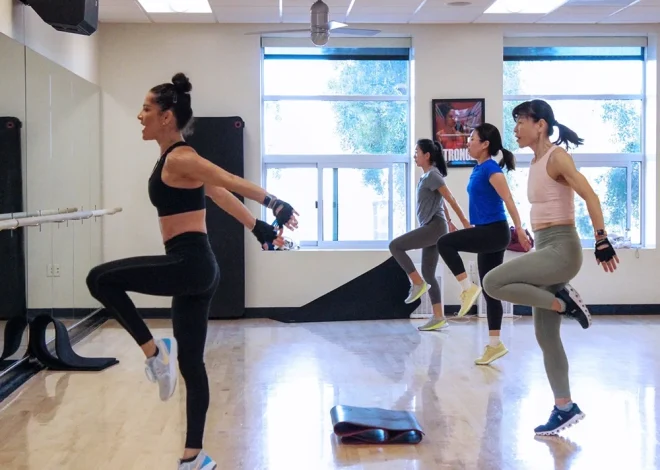
Structured studios, especially well designed spaces like True Fitness Singapore, use audio in smart ways to support safe and effective HIIT.
Predictable interval cues
Participants know when to switch movements without looking up constantly.
Energy shifting
Trainers adjust sound patterns to guide intensity. The body responds instinctively.
Spatial awareness
Without needing to watch constantly, participants pay attention to their surroundings and movement quality.
Posture preservation
Audio guided reminders help maintain correct form throughout intense cycles.
Sound Based HIIT for Different Training Levels
Audio guided training adapts easily to different experience levels.
Beginners
Clear cues reduce confusion and prevent cognitive overload.
Intermediate participants
Sound pacing helps sort out internal rhythm and transitions.
Advanced individuals
Minimal cues provide freedom while supporting precision timing.
The Emotional Benefits of Audio Guided HIIT
HIIT is not just physical. Emotional states heavily influence performance.
Music induced motivation
Rhythms elevate mood and increase willingness to push through difficult intervals.
Reduced mental chatter
Audio cues provide focus, quieting internal distractions.
Confidence building
Clear cues prevent second guessing or hesitation during transitions.
Emotional grounding
Sound creates predictable structure that anchors the mind.
How Singaporeans Can Incorporate Sound Driven HIIT into Their Routines
Use high quality earbuds
Good sound clarity improves cue perception.
Select environments with minimal external noise
Parks, living rooms, and quiet studios work well.
Choose audio guided playlists or training apps
Look for structured interval cues.
Pair sound HIIT with breathwork
Breathing rhythm enhances the impact of audio pacing.
Train consistently
Sound driven HIIT becomes easier as the body adapts to audio timing.
Real Life Examples of Sound Driven HIIT Support
Commuter fatigue
After long workdays, audio based HIIT helps reset internal rhythm.
Busy schedules
People can follow cues quickly without needing visual set up.
Stress relief
Music and voice cues provide emotional regulation.
Small apartments
Audio guidance works perfectly in tight home spaces.
Solo training
Participants do not need to rely on mirrors or screens.
FAQ
Q1. Why is sound more effective than visual guidance for HIIT transitions?
Because auditory processing is faster. Sound reaches the brain quickly and triggers immediate movement responses.
Q2. Can sound driven training improve coordination?
Yes. Rhythmic cues help regulate timing and build better motor control.
Q3. Do people with busy work schedules benefit from audio guided HIIT?
Absolutely. Audio cues reduce planning time and create smooth, time efficient workouts.
Q4. What type of sound cues work best for HIIT?
Short beeps, rhythmic signals, and clear voice commands work well because they cut through intensity without distraction.
Q5. Can audio based HIIT help with mental fatigue?
Yes. It removes visual strain and provides focus, helping people recover mentally after long work hours or screen use.