Why Patch Management Is Essential: Benefits, Risks & Best Practices
Introduction
Patch management has become a critical component of modern cybersecurity and IT operations. As organizations increasingly rely on digital infrastructure, the importance of keeping systems updated continues to grow. Ignoring patches exposes businesses to cyberattacks, operational issues, and compliance risks. Understanding why patch management matters helps companies build stronger resilience and maintain smoother operations.
What Is Patch Management?
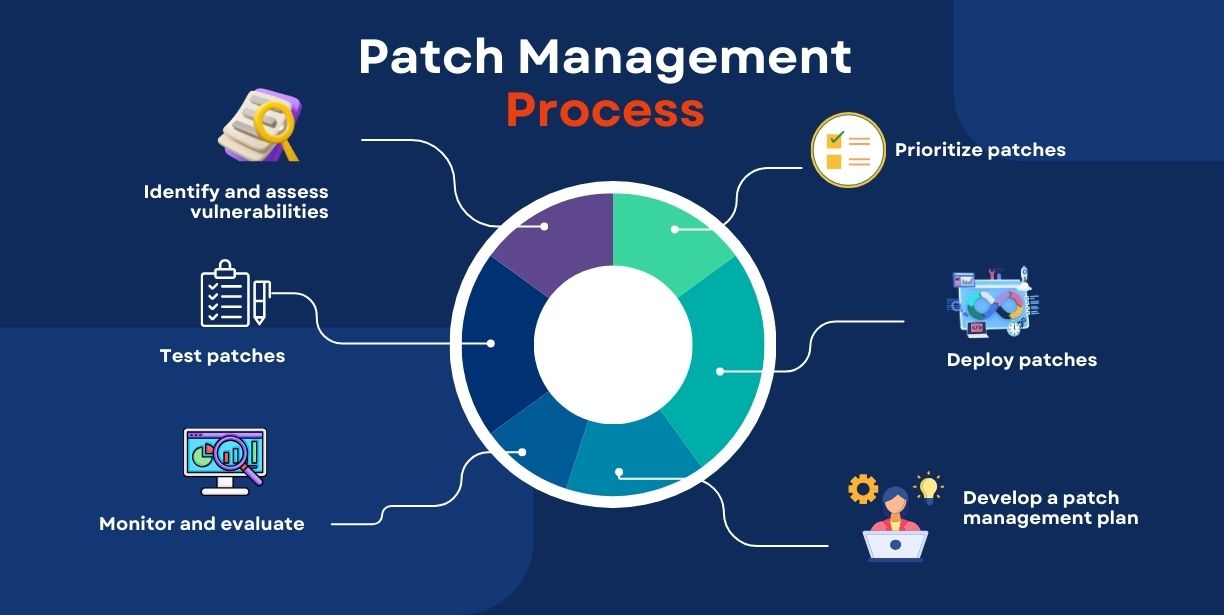
Patch management refers to the processes involved in acquiring, testing, and applying updates to software, operating systems, and applications. These updates, known as patches, address vulnerabilities, fix bugs, and improve system performance. Effective patch management ensures technology environments remain secure, efficient, and compatible with evolving standards.
Why Patch Management Is Essential
1. Strengthens Cybersecurity
Unpatched systems are among the most common entry points for cyberattacks. Threat actors exploit vulnerabilities to steal data, deploy ransomware, or disrupt operations. Timely patching helps close these gaps before they can be used maliciously. By consistently applying patches, organizations significantly reduce their exposure to security threats and improve overall cyber resilience.
2. Enhances System Stability and Performance
Software patches often include enhancements that resolve performance issues, eliminate system errors, and improve functionality. Keeping systems updated ensures applications run smoothly and reliably. This leads to reduced downtime, fewer user complaints, and an overall improvement in productivity across the organization.
3. Ensures Regulatory and Legal Compliance
Industries such as healthcare, finance, and government are governed by strict data protection and security regulations. Patch management is essential for maintaining compliance because it directly impacts system security. Failure to apply necessary patches can result in fines, legal consequences, and loss of certification. Regulatory compliance also strengthens customer confidence and reinforces organizational credibility.
4. Protects Business Reputation
Security incidents caused by unpatched systems can severely damage an organization’s reputation. Customers and partners expect businesses to safeguard their data responsibly. A major breach can lead to loss of trust, public scrutiny, and long-term brand damage. Patch management demonstrates a proactive commitment to security, reinforcing confidence and maintaining a positive public image.
5. Supports Business Continuity
Unexpected system failures or cyberattacks can halt operations and disrupt critical workflows. By ensuring that vulnerabilities are addressed promptly, patch management minimizes downtime and maximizes reliability. Organizations with strong patching routines are better equipped to maintain continuity, even under challenging circumstances.
6. Reduces Long-Term Operational Costs
While patching requires time and resources, it helps prevent far more expensive issues such as system outages, data breaches, or emergency remediation efforts. Regular patching reduces the severity of potential incidents and decreases the need for costly repairs. Over time, this proactive approach saves money and optimizes resource allocation.
Best Practices for Effective Patch Management
Prioritize Critical Vulnerabilities
Not all patches require immediate attention. Organizations should prioritize updates that address serious security threats or impact essential business operations.
Test Patches Before Deployment
Testing patches in a controlled environment helps ensure they do not introduce new issues. This step prevents unnecessary disruptions during the rollout.
Automate Where Possible
Automated tools streamline the patching process, reduce human error, and ensure consistent application of updates across systems.
Maintain an Accurate Inventory
A complete and updated inventory of software, devices, and operating systems allows organizations to identify what needs patching and when.
Monitor and Document Patching Activities
Tracking patch deployment helps maintain visibility, supports audits, and ensures ongoing compliance with organizational standards.
FAQ
1. How often should organizations apply patches?
Most businesses benefit from applying patches monthly, but critical security updates should be installed as soon as possible.
2. What happens if a patch causes compatibility issues?
Testing patches before deployment helps prevent such issues. If a conflict arises, IT teams may roll back changes or apply alternative fixes.
3. Are automated patch management tools reliable?
Yes, automation enhances accuracy and efficiency, though human oversight remains important for prioritization and exception handling.
4. Can patch management prevent all cyberattacks?
No single measure can prevent every threat, but patching significantly reduces the risk of common and high-impact attacks.
5. Why do organizations delay patching?
Common reasons include limited resources, fear of disruptions, and lack of visibility into systems needing updates.
6. Is patch management necessary for small businesses?
Absolutely. Smaller companies are often targeted because they lack strong defenses, making consistent patching essential.
7. How does patch management fit into a broader cybersecurity strategy?
It works alongside firewalls, monitoring tools, and employee training to create a layered defense approach.