Smart Yoga Wheel and Fitness Tech: How Wearable Sensors and AI Feedback Can Elevate Wheel Yoga Practice
The Rise of Technology in Modern Wellness
Technology has redefined how we approach fitness and mindfulness. From wearable trackers that monitor heart rate to AI-driven apps that assess posture, innovation is transforming traditional wellness practices. Among these trends, the yoga wheel is gaining new relevance as it merges seamlessly with digital tools that track movement precision and mobility progress.
For yoga practitioners and fitness enthusiasts in Singapore, integrating the yoga wheel with technology brings measurable results. It makes every stretch, backbend, and balance more intentional through real-time feedback and data-driven improvement.
Understanding the Role of the Yoga Wheel in Functional Mobility
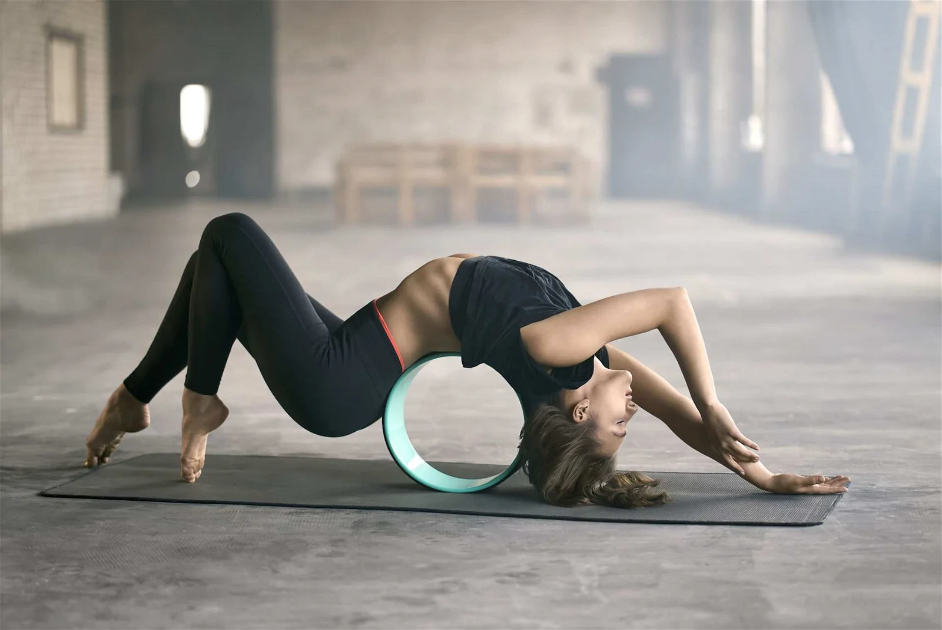
The yoga wheel was originally designed to deepen backbends and improve flexibility. Over time, it has evolved into a versatile prop for enhancing posture, relieving tension, and training spinal alignment. Its circular shape supports natural spinal curvature, allowing practitioners to explore deeper extensions safely while improving balance and strength.
When combined with fitness technology, the yoga wheel becomes more than a simple prop. It transforms into a precision training tool that helps users identify weak spots, correct alignment, and measure their physical progress through data collection.
How Wearable Sensors Enhance Wheel Yoga Practice
Wearable technology — such as smartwatches, motion sensors, and posture trackers — allows practitioners to gather real-time insights during wheel-based sessions. These devices can detect subtle changes in body position, breathing rate, and muscle engagement, offering valuable feedback for improving performance.
Practical applications include:
-
Spine curvature monitoring: Wearable posture sensors placed along the back can indicate when a practitioner overarches or flattens the spine during wheel-supported backbends.
-
Breath synchronisation tracking: Smartwatches can help monitor breathing patterns, encouraging slow, rhythmic breathing throughout the session.
-
Heart rate and recovery metrics: Devices track the body’s response to stretching, showing how mobility work influences cardiovascular relaxation and recovery.
-
Balance and stability measurement: Accelerometers and gyroscopes measure subtle imbalances during wheel poses, helping refine control.
By interpreting this data, practitioners can understand how each movement impacts their physical and mental state.
The Role of AI in Posture Analysis and Feedback
Artificial intelligence is reshaping the way yoga and mobility training are delivered. Using smartphone cameras or motion sensors, AI algorithms can assess posture accuracy, muscle activation, and range of motion. In wheel yoga, this technology helps ensure each pose is executed safely and effectively.
Examples of AI integration include:
-
Pose recognition software: Identifies misalignments during rolling or arching movements and provides corrective cues.
-
Personalised mobility feedback: Suggests progressions or regressions based on an individual’s current flexibility and stability.
-
Session tracking: Logs improvements in backbend depth, balance duration, and flexibility range over time.
-
Voice-assisted instruction: AI-guided apps give real-time verbal guidance to correct positioning while using the yoga wheel.
By merging mindfulness with analytics, practitioners gain a deeper understanding of their body mechanics and avoid common alignment errors.
Benefits of Tech-Enhanced Wheel Yoga
Integrating technology with yoga wheel practice offers significant advantages for both individuals and instructors.
1. Precision and Accuracy
AI tools provide detailed feedback that helps refine technique. This precision prevents injury and accelerates improvement in mobility and strength.
2. Measurable Progress
With motion data and flexibility tracking, users can visually see their growth. These insights foster motivation and consistency.
3. Personalised Learning
Each body is unique. Wearables and AI adjust suggestions to individual mobility levels, enabling safer and more effective training.
4. Enhanced Motivation
Gamified challenges, progress charts, and digital badges keep practitioners engaged, turning mobility work into a measurable journey.
5. Injury Prevention
Sensors detect overextension or poor alignment early, allowing timely corrections before strain occurs.
Real-Life Applications in Yoga Studios and Home Practice
Studios across Singapore are gradually introducing technology-supported classes that blend traditional yoga with mobility analytics. For example, an instructor might use a tablet-based posture recognition system while guiding students through a yoga wheel sequence. The software provides visual overlays showing proper alignment angles, enabling more precise adjustments.
For home practitioners, wearable integration is even more convenient. A smartwatch or smartphone app can monitor a session, offering vibration alerts when alignment shifts or breathing becomes irregular. These insights help users maintain safe, mindful, and consistent practice even without in-person supervision.
Creating a Smart Wheel Yoga Routine
To experience the benefits of technology and mobility training together, follow this structured approach:
-
Set up your space: Use a mat, yoga wheel, and a smartphone or camera placed at a side angle.
-
Warm up: Perform light stretches and breathing exercises.
-
Activate tracking devices: Turn on motion and heart rate sensors before beginning.
-
Start your flow: Roll gently along the spine, transition into supported backbends, and explore hip-opening movements.
-
Review data post-session: Check posture feedback, heart rate, and flexibility metrics to evaluate your performance.
-
Adjust accordingly: Use insights to refine movement quality and breathing consistency.
Challenges and Considerations
While technology enhances precision, it should never replace mindfulness. Over-reliance on data can shift focus from awareness to analytics. Striking a balance between intuitive movement and tech feedback ensures that yoga remains a holistic experience.
Common challenges include:
-
Sensor accuracy: Consumer-grade devices may not detect subtle posture nuances.
-
Privacy concerns: Always ensure apps used for tracking follow secure data storage practices.
-
Cost of devices: Advanced wearables and AI-based tools can be expensive; start with essential ones first.
-
Distraction risk: Avoid excessive focus on screens during practice to maintain flow and concentration.
The Future of Wheel Yoga and Fitness Innovation
As technology advances, yoga equipment may evolve beyond static props. Researchers are experimenting with smart yoga wheels embedded with pressure sensors that track spinal alignment and pressure distribution. Some prototypes even offer haptic feedback — gentle vibrations that guide practitioners toward correct posture.
In the near future, AI platforms might combine biometric data with personalised training plans, creating fully adaptive yoga programs. Wheel yoga could then become a cornerstone of intelligent mobility training — blending data science, mindfulness, and physical wellness.
For students seeking structured guidance and authentic practice, Yoga Edition provides a supportive environment where innovation meets tradition. Experienced instructors integrate mindfulness, movement, and science-backed techniques, making it easier to develop safe, effective habits that align with modern wellness goals.
FAQ
Q1. Can technology really improve my yoga wheel practice?
Yes. Devices like smartwatches and posture sensors help you refine form, monitor breathing, and track flexibility, offering measurable progress over time.
Q2. Are smart yoga wheels available commercially?
While some experimental models exist, most yoga wheels today are non-digital. However, pairing them with external wearables provides similar benefits.
Q3. Does using tech make yoga less mindful?
Not necessarily. Technology enhances awareness when used wisely. The goal is to combine data feedback with mindful breathing and movement.
Q4. Is AI feedback accurate for yoga poses?
AI-based posture tools are improving rapidly. For major alignment markers such as back curvature or hip tilt, their accuracy is generally reliable.
Q5. Do I need expensive gadgets to benefit?
No. A smartphone camera and a simple fitness tracker can provide enough feedback for home practice. Start small and add tools gradually as your routine evolves.
By blending intelligent technology with the art of mindful movement, practitioners can take yoga wheel training beyond flexibility into a realm of precision, awareness, and measurable transformation.